 Carpet Cleaning
 Upholstery Cleaning
 End Of Tenancy Cleaning
 Domestic Cleaning
 House Cleaning
 Office Cleaning


Upholstery cleaning Stroud Green Road Finsbury Park
Posted on 18/06/2026
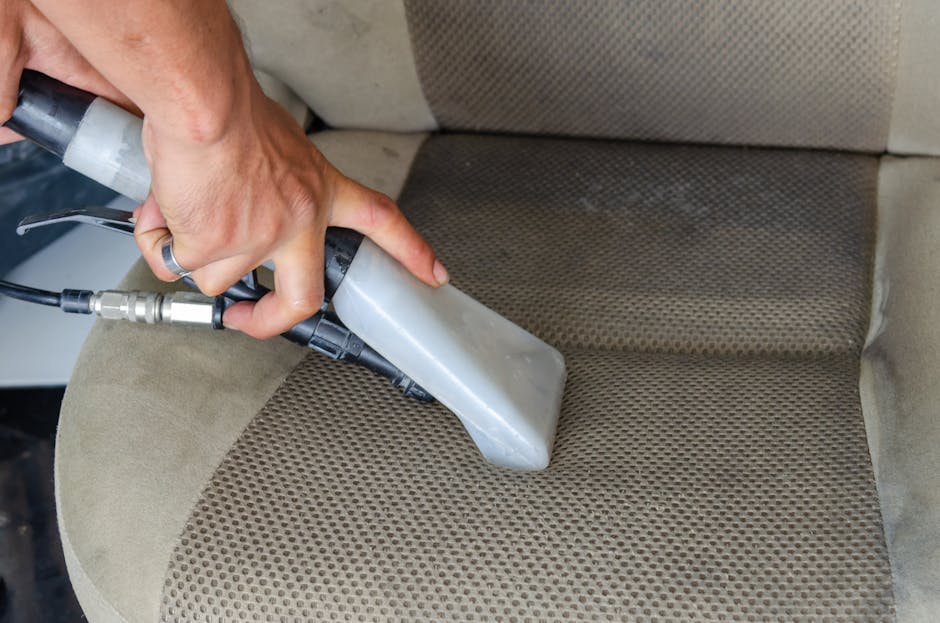
Upholstery cleaning Stroud Green Road Finsbury Park: a practical guide to cleaner, fresher furniture
If your sofa has started to look a bit tired, or that dining chair catches the light in a way you really do not love, you are not alone. Upholstery cleaning Stroud Green Road Finsbury Park is one of those jobs people put off until the marks become impossible to ignore. Then suddenly it matters quite a lot. The good news is that with the right approach, upholstery can often be cleaned safely, revived properly, and kept looking decent for far longer than most people expect.
In a busy part of North London, furniture picks up more than you think: dust from open windows, food crumbs, pet hair, traffic grime drifting in on shoes and coats, and the occasional mystery stain that appears when nobody is looking. This guide walks you through what upholstery cleaning involves, when it makes sense, what can go wrong, and how to choose a sensible method for your fabric. Simple, useful, no fluff.
Why Upholstery cleaning Stroud Green Road Finsbury Park Matters
Upholstered furniture is one of the most used surfaces in any home or workplace. It sees contact every day, often from people who are wearing coats, carrying bags, eating lunch, or simply collapsing on the sofa after a long commute. That means dirt does not just sit on the surface. It settles into fibres, stitching, seams, and the padding underneath. Left alone, it can build up into odours, dullness, and stubborn staining.
On Stroud Green Road and around Finsbury Park, many homes mix old and new interiors: period flats with fabric sofas, compact modern rentals, shared houses, and busy family homes. Each setting creates a different cleaning challenge. A light-coloured armchair in a sunny bay window will show wear differently from a dark corner sofa used by children and pets. That sounds obvious, but it affects everything from cleaning frequency to fabric choice.
There is also a comfort factor. Clean upholstery changes how a room feels. You notice it when you sit down: the fabric smells fresher, looks brighter, and does not leave that faint dusty feeling on your clothes. To be fair, it can make an entire room feel looked after without changing a single piece of furniture.
And there is a practical money angle too. Replacing sofas, dining chairs, office seating or fabric headboards can be expensive. Proper cleaning and maintenance may help extend their life and delay replacement. That is not magic, just good upkeep.
Expert summary: Upholstery cleaning is not only about removing visible marks. Done well, it supports fabric care, freshness, hygiene, and the long-term value of the furniture you already own.
How Upholstery cleaning Stroud Green Road Finsbury Park Works
Most upholstery cleaning follows a similar logic, even if the exact method changes by fabric type. First comes inspection. A cleaner should identify the material, check the condition of the seams, look for wear, and note any stains, previous cleaning attempts, or areas of colour loss. That matters because not every fabric tolerates the same moisture level or cleaning product.
Next is testing. In sensible practice, a small hidden area is checked before any full clean is started. This helps reduce the risk of dye transfer, texture damage, or shrinkage. It is one of those unglamorous steps that saves a lot of trouble later.
Then comes dry soil removal. Vacuuming is not just a quick tidy-up; it lifts loose dust, hair, grit, and crumbs before moisture touches the fabric. If this step is rushed, the cleaning solution can turn surface dirt into a muddy residue. Nobody wants that. Honestly, it is the bit people underestimate.
After that, the chosen cleaning method is applied. Common approaches include:
- Hot water extraction: suitable for many synthetic fabrics, using controlled moisture and suction.
- Low-moisture or dry cleaning: useful where delicate materials need a gentler approach.
- Foam or encapsulation methods: sometimes used where quick drying is a priority.
- Spot treatment: targeted work on specific stains before the full clean.
Finally, the fabric is groomed and allowed to dry properly. Drying is not an afterthought. In London flats especially, poor airflow can slow the process down, which is why open windows, careful ventilation, and sensible timing make a real difference.
If you want a broader look at the full range of cleaning support available locally, the services overview is a helpful starting point. For households planning more than one task, the company's domestic cleaning Finsbury Park and house cleaning Finsbury Park pages also show how upholstery care can fit into a wider home-cleaning plan.
Key Benefits and Practical Advantages
The obvious benefit is cleaner furniture. But there is a lot more going on underneath that simple idea.
- Better appearance: Fabrics look brighter, colours appear more even, and marks are less distracting.
- Reduced odours: Upholstery can trap cooking smells, pet odours, and general household mustiness.
- Improved comfort: Fresh upholstery simply feels nicer to use, especially on high-contact pieces.
- Longer fabric life: Removing grit and grime helps reduce friction wear over time.
- Better presentation: Important in rented homes, client-facing offices, and homes preparing for visitors.
- Cleaner indoor environment: Less built-up dust can mean a fresher overall room feel.
For shared flats and family homes around Finsbury Park, a clean sofa can make day-to-day life feel less cluttered. That might sound small, but small things add up. One clean chair becomes two clean chairs, then the room looks calmer. You know how it goes.
There is also a trust factor for landlords, tenants, and buyers. Well-maintained upholstery can make a property feel cared for. If you are interested in property-related local reading, the articles on Finsbury Park property and property sales in Finsbury Park are useful companions to this topic.
Who This Is For and When It Makes Sense
Upholstery cleaning is not just for visibly dirty furniture. It makes sense for a surprisingly wide range of people and situations.
Homeowners and tenants
If you live on or near Stroud Green Road, your sofas, armchairs, headboards, ottomans, and dining chairs probably get heavy use. Families with young children often need cleaning after spills, sticky hands, and general daily life. Pet owners may notice fur, smells, and the occasional paw-print surprise. And yes, it always seems to land on the nicest cushion.
Landlords and letting agents
Upholstery can affect the feel of a property just as much as carpets do. Clean seating can make a furnished flat look more appealing for viewings and inspections. For end-of-tenancy situations, it often makes sense to combine furniture care with broader cleaning. The end of tenancy cleaning Finsbury Park page is relevant here.
Offices and workspaces
Reception seating, meeting-room chairs, and soft furnishings in offices collect dust and daily wear. In a client-facing space, upholstery is part of first impressions. It is one of those things visitors notice without consciously noticing. If you manage a workplace nearby, the office cleaning Finsbury Park page may be worth a look alongside upholstery care.
People preparing for events or guests
Before birthdays, holiday gatherings, or house viewings, furniture often needs a quick refresh. A clean sofa can make the whole room feel presentable. Particularly if the room is small, which many London living rooms are, the sofa is almost the main character.
It also makes sense when you notice a smell after a rainy spell, after a spillage, or after months of heavy use. Truth be told, the right time is usually earlier than people think. Once stains set, the job becomes more awkward.
Step-by-Step Guidance
If you want to understand the process properly, here is a sensible, real-world approach to upholstery cleaning.
- Identify the fabric. Check the care label if there is one. Some materials are water-tolerant, while others need a drier or more delicate method.
- Test first. Always test on a hidden patch before cleaning the whole item.
- Vacuum thoroughly. Use a suitable attachment to remove loose debris from seams, buttons, and corners.
- Treat stains carefully. Blot, do not scrub. Aggressive rubbing can spread the stain and roughen the fibres.
- Apply the right method. Use low moisture on delicate fabrics and controlled extraction on sturdier ones.
- Work evenly. Clean section by section so you do not leave tide marks or uneven patches.
- Extract moisture well. The better the extraction, the faster and safer the drying stage.
- Dry with airflow. Open windows if conditions allow, and avoid sitting on the furniture until it is fully dry.
- Inspect after drying. Check whether any stain has returned to the surface, which can happen with deeper spills.
If a stain keeps returning after a clean, that usually means residue or a deeper spill has wicked back up from inside the fabric. Annoying, yes. But it is common. Sometimes a second targeted treatment is needed.
For those comparing carpet and upholstery care in the same visit, the local article on carpet cleaning near Seven Sisters Road gives a useful sense of how soft-furnishing cleaning can be approached in the wider area.
Expert Tips for Better Results
A few small habits make a big difference to upholstery care. Nothing fancy. Just practical stuff that works.
- Vacuum weekly if possible. Less grit means less wear. It really is that straightforward.
- Blot spills immediately. Use a clean white cloth or paper towel and work from the outside in.
- Rotate cushions. Even wear helps a sofa age more evenly.
- Keep food rules sensible. A full ban is unrealistic in many homes, but regular eating on light fabric is asking for trouble.
- Use throws wisely. They are not just decorative. They protect high-contact zones.
- Watch direct sunlight. Sun fading is gradual, so people often miss it until the difference is obvious.
- Do not over-wet fabric. More solution is not more cleaning. Usually it is just more drying time and more risk.
One thing I would say from experience: if the fabric is delicate, uncertain, or expensive, slow down and choose the gentler option. A quick fix on paper can become an expensive lesson in real life. Not fun.
If you are interested in fabric-specific care, especially for trickier materials, the article on washing velvet curtains at home is a useful reminder that softness often needs patience.

Common Mistakes to Avoid
Most upholstery damage happens because someone was trying to be helpful in a hurry. Completely understandable, but still risky.
- Scrubbing stains hard: This can push the mark deeper and distort the pile.
- Using random household cleaners: Strong chemicals can bleach, stain, or leave residue.
- Skipping a test patch: That is where many avoidable disasters begin.
- Using too much water: This may cause long drying times, water rings, or mildew risk.
- Ignoring the fabric label: A cotton blend is not the same as velvet, suede-look fabric, or wool-rich upholstery.
- Cleaning only the stain: Often the surrounding area needs blending too, otherwise you get a patchy look.
- Putting cushions back too soon: Damp fabric can trap smell and attract more dirt.
Let's face it, the temptation is to grab the nearest spray and hope for the best. Sometimes that works. Often it does not. A steady approach wins here.
Another overlooked mistake is forgetting the hidden areas: sides, back panels, and under cushions. Those spots hold dust and crumbs, and they affect the smell of the furniture more than people expect.
Tools, Resources and Recommendations
You do not need a van full of equipment to maintain upholstery between professional cleans, but a few tools make life easier.
| Tool or resource | What it helps with | Practical note |
|---|---|---|
| Upholstery vacuum attachment | Routine dust and debris removal | Use it slowly on seams and corners for best results |
| Clean white microfibre cloths | Blotting spills and spot care | White cloths help you see transfer and avoid dye issues |
| Soft brush | Gently lifting surface dirt | Useful on durable fabrics, not for aggressive scrubbing |
| Fabric care label | Guidance on safe cleaning methods | Always worth checking before using moisture |
| Low-moisture cleaning method | Delicate or quick-turnaround cleaning | Often a smart choice where drying space is limited |
For anyone comparing services or thinking ahead to scheduling, the pricing and quotes page is the place to review before booking anything. If security and peace of mind matter to you, the pages on payment and security and insurance and safety are worth reading too. A little due diligence goes a long way, especially when someone is working inside your home.
You may also want to look at the company's broader background on the about us page and customer feedback on reviews. That is not just box-ticking. It helps you judge whether the service feels right for your property and expectations.
Law, Compliance, Standards, or Best Practice
For upholstery cleaning, there is not usually one dramatic legal rule that governs every job, but there are important best-practice standards to respect. In the UK, cleaners should work carefully with health and safety in mind, follow safe handling practices for chemicals and equipment, and avoid causing damage through poor method choice. That may sound broad, because it is broad. Different fabrics and settings really do need different handling.
Good practice also includes clear communication, sensible risk assessment, and respect for the property being cleaned. In shared buildings or managed rentals, that can mean keeping noise reasonable, protecting floors, and making sure access and setup do not create unnecessary disruption. It is the kind of professionalism people notice even if they never mention it.
For peace of mind, it helps when a provider publishes clear policies. If you want to understand how a company handles complaints, service expectations, or general governance, the following pages are relevant: complaints procedure, terms and conditions, privacy policy, cookie policy, accessibility statement, and modern slavery statement. You may not read them every day, but they do say something about how a business is run.
For anyone using upholstery cleaning as part of tenancy preparation or move-out planning, it is sensible to review expectations early. That avoids last-minute panic when the room needs to be handed back and the fabric still feels damp. A bit of planning saves a lot of pacing around.
Options, Methods, or Comparison Table
There is no single correct upholstery cleaning method. The best option depends on fabric type, stain severity, drying time, and the condition of the furniture. Here is a practical comparison.
| Method | Best for | Strengths | Limitations |
|---|---|---|---|
| Hot water extraction | Many synthetic and durable fabrics | Deep cleaning, good soil removal, strong refresh | Needs careful drying and may not suit delicate materials |
| Low-moisture cleaning | Busy homes, lighter fabrics, quicker turnaround | Shorter drying time, less saturation | May be less intensive on embedded soil |
| Dry cleaning | Delicate textiles and moisture-sensitive items | Reduced risk from water exposure | Not always ideal for heavy staining |
| Spot treatment only | Small isolated stains | Fast and targeted | Does not fully refresh the whole piece |
If the furniture is already very dirty, a light touch may not be enough. On the other hand, delicate or expensive fabric should not be treated like a basic rental sofa. Matching the method to the material is the whole game.
Case Study or Real-World Example
Here is a realistic example. A family in a flat near Stroud Green Road had a pale two-seater sofa that looked fine from a distance, but up close it had drink marks on the arms, a patch of dullness along the seat edge, and that faint after-dinner smell that builds up slowly over winter. Nothing dramatic. Just enough to bother them every time they sat down.
The first step was a fabric check. The sofa could tolerate a controlled moisture clean, but not heavy soaking. The cleaner vacuumed the whole piece carefully, treated the arm marks, and worked the seat in sections so the finish stayed even. A few stubborn spots needed a second light pass rather than one heavy attempt. That is often the difference between a decent result and a messy one.
After drying, the sofa looked brighter and the room felt lighter. More importantly, the family stopped throwing a throw blanket over the worst patch every time people came round. That may sound minor, but it changes how a room is used. Less hiding, more using. That is usually the point.
For a different type of property journey, the local articles on living in Finsbury Park and exploring Finsbury Park help place the area in context. They are not cleaning guides, but they do show why homes here need practical upkeep that fits real London living.
Practical Checklist
Before you book or start cleaning, run through this quick checklist.
- Check the fabric label or care instructions.
- Identify any stains, odours, or worn patches.
- Vacuum the upholstery thoroughly, including seams and edges.
- Decide whether the item needs deep cleaning or just spot treatment.
- Test any product on a hidden area first.
- Make sure there is enough airflow for drying.
- Protect nearby floors and walls if moisture is being used.
- Do not sit on the furniture until it is fully dry.
- Confirm whether one item or several pieces should be cleaned together.
- Check reviews, policies, and pricing before booking a service.
A small checklist like this keeps the job calm. No drama, no guesswork.
Get a free quote today and see how much you can save.
Conclusion
Upholstery cleaning Stroud Green Road Finsbury Park is really about more than a cleaner-looking sofa. It is about keeping the pieces you use every day fresher, safer, and more comfortable for longer. In a busy local area, with homes and workspaces that see plenty of daily use, that matters more than people first assume.
Whether you are dealing with a single stain, a worn family sofa, or a set of office chairs that have lost their edge, the main principle is simple: match the method to the fabric, clean carefully, and dry properly. Do that, and you give your furniture a fair chance. Rush it, and things get fussy fast.
If you are weighing up your next step, start with the fabric, think about the use case, and choose the least risky path that still gets the result you want. That is usually the smart one. And honestly, it is a relief when the room finally feels fresh again.
Clean upholstery does not shout for attention. It just makes the whole space feel better to live in.


