End of tenancy cleaning Manor House N4 Finsbury Park
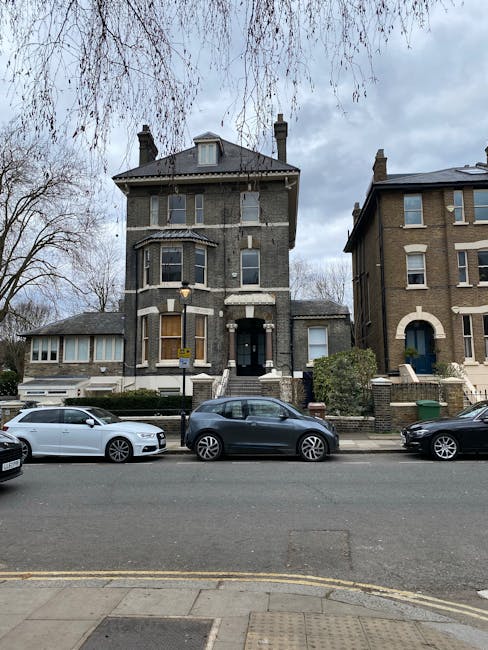
Moving out is rarely just about packing boxes. There's the final meter reading, the key handover, the surprise cupboard you forgot to empty, and that one mark on the skirting board that somehow appeared overnight. If you are searching for End of tenancy cleaning Manor House N4 Finsbury Park, you probably want one thing above all: a clean, inspection-ready property that helps you leave on good terms and move on without drama.
This guide breaks down what end of tenancy cleaning involves, why it matters in Manor House and the wider N4/Finsbury Park area, how the process usually works, and what to check before you book. It is written to be genuinely useful whether you are a tenant, landlord, or letting agent. And yes, we'll keep it practical. No fluff, no grand promises, just the sort of detail that helps on moving day.
Why End of tenancy cleaning Manor House N4 Finsbury Park Matters
End of tenancy cleaning is the detailed clean carried out at the end of a rental agreement, usually before check-out inspection and key return. It is more thorough than a weekly tidy-up and more targeted than a general deep clean. The aim is simple: leave the property in the condition expected by the tenancy agreement, allowing for fair wear and tear.
In busy parts of North London such as Manor House and Finsbury Park, rental homes turn over quickly. That means check-outs can be time-sensitive and expectations can be exacting. A property that looks "fine" to a tenant may still raise questions during inspection if ovens are greasy, carpets are stained, or bathroom limescale has built up. Let's face it, these are the tiny details that landlords and letting agents tend to notice first.
There's also the emotional side. Moving is stressful enough without being pulled back for a re-clean or a deposit dispute. A well-executed end of tenancy clean helps reduce friction, improves the handover experience, and gives everyone a cleaner finish. You can think of it as the last proper reset before the next chapter begins.
Expert summary: The purpose of end of tenancy cleaning is not to make a property look brand new. It is to make it properly clean, consistently presented, and ready for inspection with no avoidable issues left behind.
For tenants who want to stay organised, it often helps to pair this service with move-out cleaning or a broader house cleaning approach, especially if the home has a mix of hard floors, carpets, and upholstered items.
How End of tenancy cleaning Manor House N4 Finsbury Park Works
Although every property is different, the process usually follows a fairly consistent structure. A good cleaner starts with the areas most likely to fail an inspection, then works through the home methodically room by room. The aim is not random tidying. It is controlled, detail-led cleaning with inspection standards in mind.
In practice, this often includes kitchens, bathrooms, living areas, bedrooms, hallways, internal windows, skirting boards, doors, frames, switches, and floors. Depending on the property, services may also include oven cleaning, window cleaning, carpet cleaning, steam carpet cleaning, or upholstery cleaning if these items are part of the tenancy's expected condition.
A solid professional clean also pays attention to the things people often forget until the last minute: extractor fans, cupboard tops, behind appliances, shower screens, taps, and the edges where dust collects. Those little places? They matter more than they should. A lot more, really.
What usually happens before the clean
- The property is checked for access, utilities, and any special instructions.
- Areas of concern are identified, such as stains, grease build-up, or pet odour.
- The cleaner decides whether extra treatments are needed, for example stain removal or pet stain odour removal.
- Rooms are tackled in a logical order so nothing gets missed.
If the property has hard flooring, it may also benefit from hard floor cleaning. If there is a rug left behind, a separate rug cleaning treatment may be needed. Different surfaces, different methods. Simple, but easy to get wrong if rushed.
Key Benefits and Practical Advantages
The obvious benefit is a cleaner property. But the real value of end of tenancy cleaning goes deeper than that. It can protect your deposit, reduce disputes, and save time at a moment when time is usually in short supply.
- Better inspection readiness: A property cleaned to a professional standard is easier for letting agents to sign off.
- Lower chance of deposit deductions: Mess, grease, limescale, and stains are common triggers for charges.
- Less stress on moving day: One less task to juggle when you're already dealing with removals and handover paperwork.
- Stronger first impression for new occupants: Particularly useful for landlords and agents preparing for re-let.
- More efficient than DIY deep cleaning: Professional equipment and experience usually shorten the process.
There's also a practical efficiency point. A team that handles the full property can coordinate tasks more cleanly than a tenant trying to squeeze cleaning into a final evening after packing. We've all seen that scenario: half a roll of bin bags, one tired sponge, and a fridge that's still unplugged at 9pm. Not ideal.
| Option | Best for | Typical strengths | Possible drawbacks |
|---|---|---|---|
| DIY clean | Very small or lightly used properties | Lower upfront cost, full control | Time-consuming, easy to miss details |
| Partial clean | Homes needing only selected areas | Flexible, can target problem rooms | May not satisfy full inspection needs |
| Professional end of tenancy clean | Most rented homes and flats | Thorough, efficient, inspection-focused | Costs more than doing it yourself |
If you are weighing up your options, a quick look at pricing and quotes can help you judge whether to book a full service or combine a few targeted extras.
Who This Is For and When It Makes Sense
This service is not only for tenants who have left cleaning to the last possible minute. It is useful in several real-world situations.
Tenants
If you are moving out of a rented flat or house in Manor House, Finsbury Park, or nearby N4 streets, end of tenancy cleaning is often the safest way to meet check-out expectations. It is especially relevant if the property has carpets, a used oven, pets, children, or shared hallway access that tends to gather dirt quickly.
Landlords and letting agents
Landlords often use this service between tenancies to present the property properly for viewings and inventory checks. It can sit alongside move-in cleaning when a new tenant is due to arrive soon after the previous occupant leaves.
Room sharers and students
Shared homes can be tricky because responsibility gets blurred. One person cleaned the bathroom. Another meant to do the kitchen. The result is usually... mixed. A proper end of tenancy clean clears up that messy overlap and brings the whole property back to one standard.
People leaving furnished rentals
If the property includes sofas, curtains, or mattress items, cleaning may extend beyond floors and worktops. In that case, a combination of sofa cleaning, curtain cleaning, and mattress cleaning may make practical sense.
Step-by-Step Guidance
Here is a simple way to approach the process without overcomplicating it. Good cleaning is often just good sequencing.
- Read the tenancy agreement carefully. Look for cleaning clauses, inventory references, and any specific expectations about carpets, appliances, or furniture.
- Book the clean with enough time. Leaving it until the final half-day usually creates avoidable pressure, especially if you discover a stain or appliance issue.
- Declutter and remove belongings first. Cleaners should be working around an empty, or nearly empty, property. Boxes and loose items slow everything down.
- Flag problem areas in advance. Tell the cleaner about grease-heavy ovens, pet odours, makeup stains, bathroom mildew, or any marks that need extra attention.
- Focus on the highest-risk rooms. Kitchens and bathrooms usually need the most care, followed by carpets, skirting boards, and touch points.
- Check the finished result before handover. Do a walkthrough while there is still time to resolve anything obvious.
If the property has had recent building work, or if there is dust from repairs, an after builders cleaning treatment may be the better fit before the final inspection. Dust from sanding and plaster can settle in surprising places. Very annoying, honestly.
For busy households or businesses, one-off support such as one-off cleaning or a wider domestic cleaning service can also be a sensible bridge when a property needs more than a standard tidy.
Expert Tips for Better Results
Small details often make the difference between a passable clean and one that feels properly finished. These are the things worth paying attention to.
- Start high and work down: Dust shelves, fixtures, and tops before floors. Otherwise, you'll just drop dust onto already cleaned surfaces.
- Use the right product for the surface: Strong cleaners are not always better. Some finishes need gentle treatment.
- Treat stains early: Old marks set deeper and become harder to lift. Fresh treatment is always kinder to the fibres.
- Don't forget odours: Visual cleanliness is one thing; smell is another. Pet smells, damp, and lingering cooking odours can trigger attention.
- Check hidden edges: Behind toilets, under sinks, around taps, and along skirting boards are classic miss points.
One practical tip that gets overlooked: leave enough drying time if carpets or upholstery are being cleaned. A room that looks finished but still feels damp can create issues at handover. It's a small thing, but a big one if the agent arrives early.
If you want to understand more about the company behind the service, you can review their approach via the about us page, and if you care about how customer information is handled, the privacy policy and payment and security details are worth a quick look.
Common Mistakes to Avoid
End of tenancy cleaning sounds straightforward until the final 24 hours arrive. Then the mistakes start appearing. A lot of them are preventable.
- Leaving the clean until after moving out: Once furniture is gone, it's easier to clean, but if the property handover is immediate you may run out of time.
- Assuming "tidy" equals "inspection ready": A tidy room can still fail because of grime on switches, limescale, or greasy appliances.
- Skipping carpets and upholstery: These surfaces hold stains and odours that are easy to miss during a rushed exit.
- Forgetting the oven: The oven is one of the most common issue points in final inspections. It deserves proper attention.
- Not documenting the condition: Photos before and after can be very useful if there is a later disagreement.
Another easy mistake is using the wrong cleaning order. If you polish surfaces first and then clean the floors, you'll probably need to repeat work. Nobody wants that. Not on moving day.
And one more: do not ignore ventilation and odour. A room can look spotless and still feel "off" if it smells of stale smoke, damp, or pets. That's where specific treatments, including pet stain odour removal, can be useful.
Tools, Resources and Recommendations
If you are handling parts of the job yourself, or just want to understand what a professional team is likely to use, the following items are commonly helpful.
- Microfibre cloths for dust and polish work
- Non-abrasive surface cleaners for kitchens and bathrooms
- A vacuum with good edge tools for carpets and corners
- Steam extraction equipment for carpets where appropriate
- Scrapers and degreasing products for ovens and hobs
- Glass cleaner and lint-free cloths for internal windows
- Spot treatment products for localised stains
For more specialised items, professional cleaning services can be more efficient than DIY. For example, carpets with heavy wear may need carpet cleaning or steam carpet cleaning, while heavily used furniture may respond better to sofa cleaning or upholstery cleaning.
For outside or shared-access areas, it may also be worth looking at communal area cleaning if the tenancy includes a block entrance, landing, or staircase. Those spaces are often forgotten, then suddenly very important. Typical.
Law, Compliance, Standards, or Best Practice
Cleaning at the end of a tenancy is usually shaped more by the tenancy agreement, inventory evidence, and general property condition than by a single specialist law. That said, good practice matters. In the UK, disputes commonly centre on whether the property was left in a condition consistent with the contract and with fair wear and tear taken into account.
From a practical standpoint, the safest approach is to follow three rules: read the agreement, compare the property with the check-in inventory, and keep evidence of what was done. If a landlord or agent expects professional-grade results, that should be clear in writing. If not, the standard is generally about cleanliness and reasonable condition rather than perfection.
Safety matters too. A responsible provider should work in line with clear health and safety policy guidance, carry suitable insurance and safety arrangements, and handle products and equipment responsibly. That is not just box-ticking; it protects everyone on site.
Environmental care can also be part of best practice. If sustainability matters to you, it is worth checking a company's approach to recycling and sustainability. Not every job creates the same waste, of course, but smarter product use and disposal habits are always a good sign.
Finally, a trustworthy business should have clear terms. Before booking, it is sensible to review terms and conditions and the stated complaints procedure. It's not exciting reading, granted, but it can save a lot of awkwardness later.
Options, Methods, or Comparison Table
Different properties need different cleaning approaches. A compact studio in Manor House is not the same as a furnished family flat near Finsbury Park. The right method depends on surfaces, tenancy expectations, and available time.
| Method | What it covers | Best use case | Notes |
|---|---|---|---|
| Basic exit clean | Visible dirt, dust, and general surface cleaning | Lightly used properties with minimal marks | May not be enough for rental inspections |
| Full end of tenancy clean | Kitchens, bathrooms, floors, fixtures, detailed surfaces | Most rented homes and flats | Usually the most balanced option |
| End of tenancy plus specialist add-ons | Includes carpets, oven, upholstery, or odour work | Furnished homes or homes with heavy use | Good where the inventory is more demanding |
The sensible choice depends on what the property actually needs, not what sounds cheapest on paper. A lower upfront price can become expensive if you need a second visit. Not always, but often enough to be worth thinking about.
For landlords and business owners with broader cleaning needs, services such as commercial cleaning or office cleaning may be more relevant in other parts of a property portfolio. Different job, same principle: present the space properly.
Case Study or Real-World Example
A typical example: a two-bedroom flat near Manor House is being handed back at the end of a tenancy. The tenants have already moved most of their belongings out, but the kitchen has cooked-on grease, the bathroom has limescale around the taps, and the hallway carpet has a couple of visible marks from heavy foot traffic. Nothing dramatic. Just enough to feel like a lot.
Rather than trying to do everything in one late-night burst, the clean is divided into sections. The kitchen is handled first because ovens and extractor areas need time and attention. The bathroom follows, with descaling and sanitising of fixtures. The carpets are treated next, then the windows and internal glass. Finally, skirting boards, switches, doors, and edges are checked, because those are the places that quietly make the difference.
At the end, the property looks balanced rather than overdone. It smells fresh, feels brighter, and no area is drawing attention to itself. That is usually the goal. Not perfection. Just no awkward surprises during inspection.
In a similar furnished property, the cleaner might add rug treatment or move-in cleaning prep if the next occupants are arriving quickly. If the property has a sofa or mattress left in place, those items may also need special treatment rather than being left to the general clean.
Practical Checklist
Use this checklist if you want a clear, no-nonsense way to stay on track before handover.
- Read the tenancy agreement and inventory
- Remove all personal belongings
- Defrost and empty the fridge/freezer if required
- Clear cupboards, drawers, and shelves
- Clean inside and outside kitchen appliances
- Descale taps, showers, sinks, and bathroom fittings
- Dust skirting boards, doors, handles, and switches
- Vacuum and treat carpets or rugs
- Wipe windows, frames, and internal glass
- Check for stains, odours, and overlooked marks
- Take photos after the clean
- Confirm key handover details
If you want to widen the clean beyond the bare minimum, adding one-off cleaning support can be a smart option for particularly busy move-outs. And if you need a straightforward way to book, the contact us page is the natural next step.
Get a free quote today and see how much you can save.
Conclusion
End of tenancy cleaning in Manor House N4 Finsbury Park is really about making the final step of a move smoother. Done properly, it reduces stress, supports a fair handover, and helps the property meet the standard expected at check-out. Done badly, it becomes one more headache on a day that already has enough of them.
The best results usually come from planning early, being honest about the condition of the property, and choosing the right mix of cleaning tasks for the home itself. Some properties need only a solid top-to-bottom clean. Others need carpets, upholstery, oven work, or specialist stain treatment as well. That's normal.
If you keep the checklist tight, communicate clearly, and leave enough time for the job to be finished properly, you give yourself a much better chance of a calm, clean handover. And honestly, that feeling of shutting the door for the last time and knowing it's all sorted? Pretty good, isn't it.
Frequently Asked Questions
What is included in end of tenancy cleaning Manor House N4 Finsbury Park?
It usually includes detailed cleaning of kitchens, bathrooms, floors, skirting boards, doors, switches, internal glass, and other high-touch areas. Depending on the property, extras such as oven, carpet, or upholstery cleaning may also be needed.
Is end of tenancy cleaning the same as deep cleaning?
Not exactly. A deep clean is broad and thorough, while end of tenancy cleaning is specifically focused on leaving a rented property ready for inspection and handover. The two overlap, but the end goal is different.
Do I need professional cleaning to get my deposit back?
Not always, but a professional clean can make it easier to meet the expected standard, especially if the property has carpets, built-up grease, limescale, or stubborn stains. The tenancy agreement and inventory matter most.
How long does an end of tenancy clean usually take?
It depends on the size and condition of the property. A small, lightly used flat can be quicker, while a larger furnished home with ovens, carpets, and bathrooms needing extra attention will take longer.
Should I book the cleaning before or after I move out?
Usually after most belongings have been removed, but before the final handover. That gives cleaners better access to all areas while still leaving time for a walkthrough and any last adjustments.
What if there are stains on the carpet or sofa?
Stains should be identified early because they may need targeted treatment. Options like stain removal, carpet cleaning, or sofa cleaning can make a real difference, especially if the marks are visible during inspection.
Can pet odours affect the final inspection?
Yes, they can. Smell matters as much as appearance, sometimes more. If pets have lived in the property, pet stain odour removal may be worth arranging alongside the main clean.
Do landlords expect the property to be spotless?
They usually expect it to be thoroughly cleaned and left in a condition consistent with the tenancy agreement and fair wear and tear. That does not mean brand new. It does mean properly clean.
What should I check before booking a cleaning company?
Check what is included, whether the business has clear terms and conditions, insurance and safety information, and a transparent pricing approach. It is also sensible to review how complaints are handled, just in case.
Are ovens and windows usually included?
They may be included, but not always in the base package. Ovens often need separate attention, and window cleaning can vary depending on accessibility and the agreed scope of work. Always confirm this in advance.
Can I combine end of tenancy cleaning with other services?
Yes. In some properties, it makes sense to combine it with move-out cleaning, carpet cleaning, or even hard floor cleaning. The right mix depends on the condition of the property and the handover requirements.
What if the property needs more than cleaning?
If it has debris, bulky items, or leftover clutter, a house clearance service may be more appropriate before the final clean. It is better to clear the space properly than try to clean around a room full of obstacles.